

Pointing North
Finding my internal compass

“Where’s south?” my dad asks me on our morning walk around the island. We’re at our country house in the Swedish archipelago, almost as far out as you can get by boat from Stockholm before you start heading toward the Baltic countries: Estonia, Latvia, Lithuania.
I point in a direction, half guessing, working backward from whatever he taught me last time. Wrong. The red lighthouse we’re looking at in the distance is south, he tells me. Then more questions. How do you find the North Star in the sky? What kind of tree are we walking past right now?
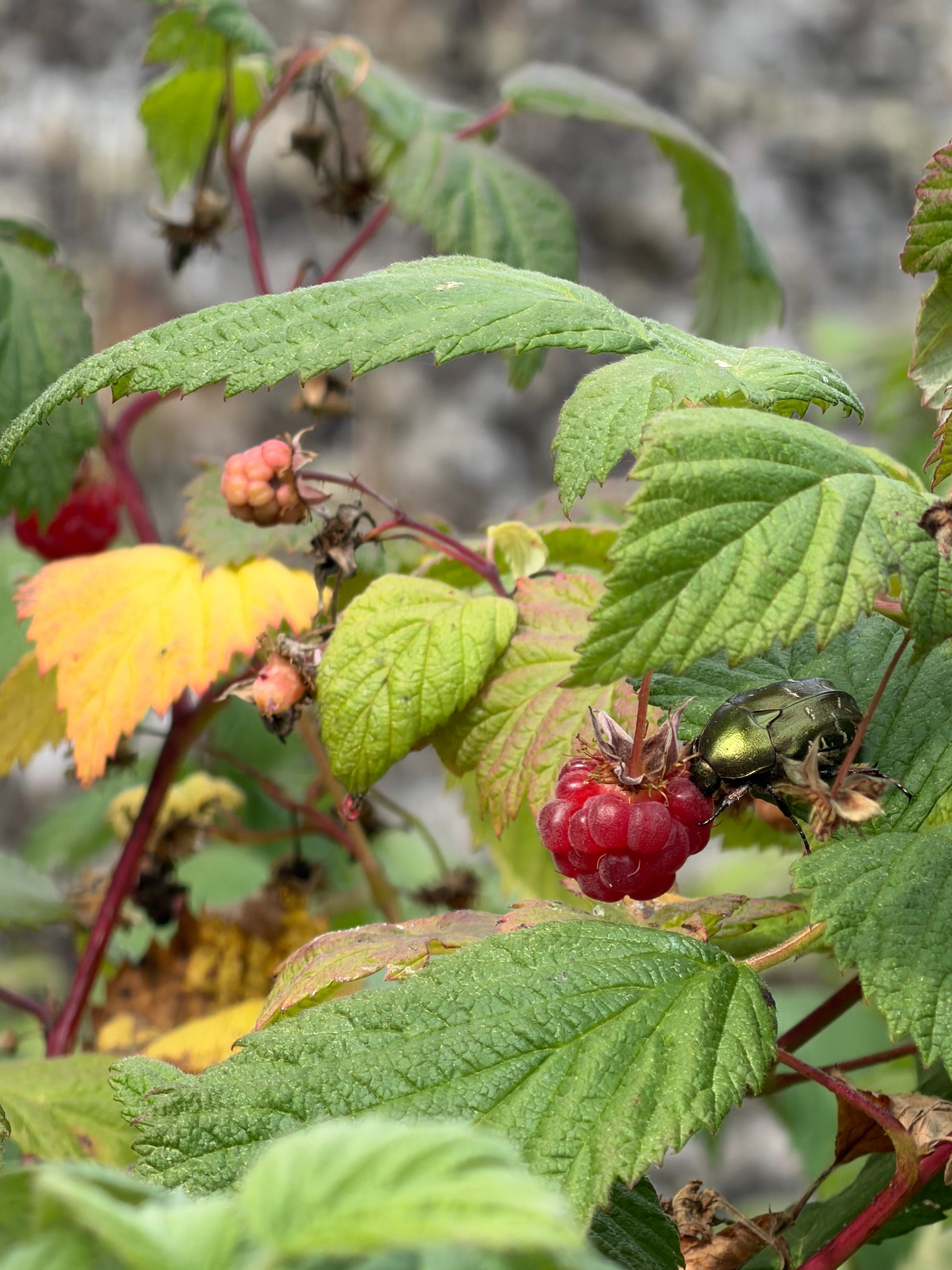
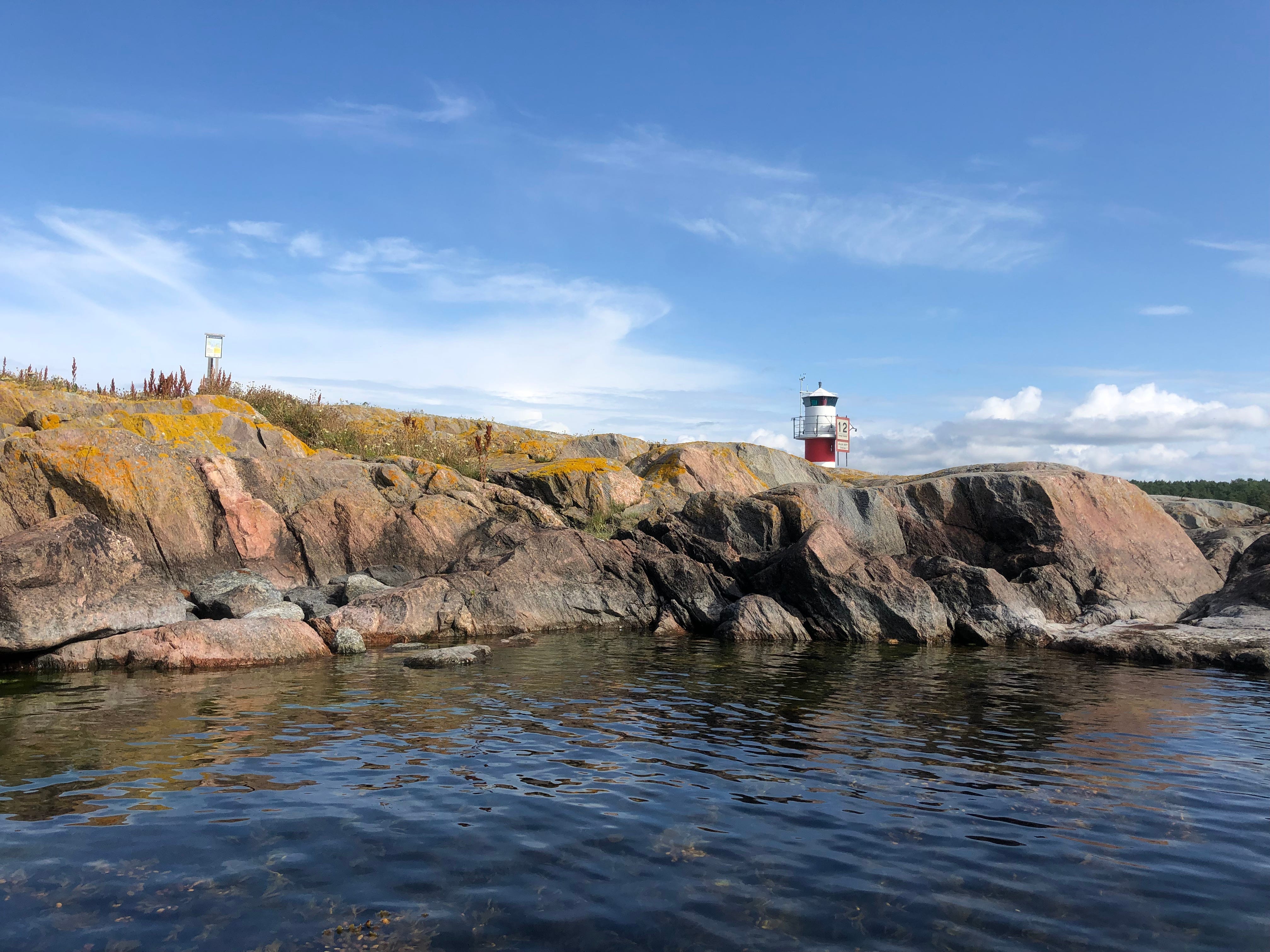

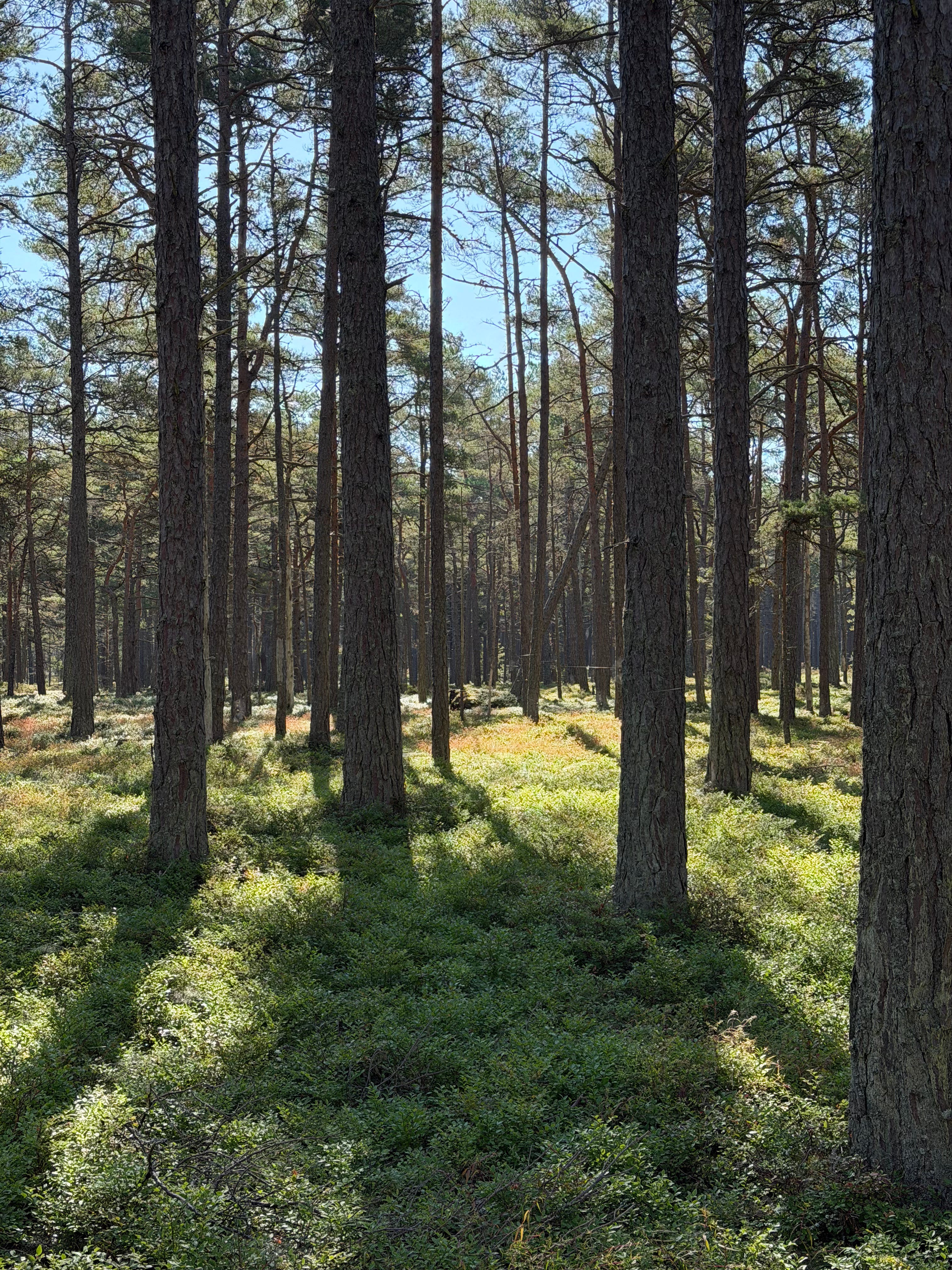
In an age of Google Maps and ChatGPT, when the honest answer to “will I ever be stranded without my phone?” is probably not, I love these conversations with my dad. He helps me think on my feet, question things that are strange or beautiful, and challenges me to use my head instead of my phone. That mode of thinking without a guide followed me straight into this summer, when I read Caro Claire Burke’s Yesteryear and Belle Burden’s Strangers back-to-back by accident and found them, surprisingly, in dialogue with each other.
My boss Alice recommended Yesteryear to me, and it’s the best novel I’ve read this year. Natalie Miller is a tradwife influencer who wakes up in the 1800s and has to actually live the aesthetic she’s been portraying online. The book’s hype is riding the same wave as media-anointed tradwives like model/actress Nara Smith, who went on the podcast Call Her Daddy last month to reject the label, and Hannah Neeleman of the ultra-successful lifestyle and food brand Ballerina Farm (P.S. her Maple Cinnamon protein powder is 2 die 4). Underneath the label fight is an older argument about nostalgia, a past where men’s and women’s work were sharply divided (one plenty of political movements want back and amplified by these influencers’ social media pages).
If Yesteryear is the fictionalized aesthetic of that, Strangers is a real-life reckoning. Burden’s memoir describes her husband’s affair, his abrupt exit during the pandemic, his attempt to take their Vineyard house, and the income he never disclosed during their divorce proceedings. Burden rebuilds from there: with her three kids, finding her own place and purpose again through writing and becoming financially literate.
There’s debate around her story that’s worth noting. A New Yorker piece points to Burden’s substantial personal wealth held in trust, which was never fully revealed in her memoir. But her fans don’t care. They read it as a universal lesson anyway: how well do we really know our partners and our finances? If this can happen to someone as privileged and beautiful as Burden, can it happen to anyone?
What I essentially got from both books, internet opinions aside, was how important it is to question things: to stay curious, know the how and the why, so you can get out of precarious situations, or better yet, avoid them entirely.
In Burden’s case, that’s understanding how much money comes in and out of her household: which assets are in both names, what was signed in the prenup, and where those assets are parked. In Natalie’s case, was there ever a reality where she could have finished her undergrad at Harvard? Whose name is on Yesteryear Ranch — hers, her husband’s, or her rich father-in-law’s? Or something as simple as why none of her brothers-in-law were at their wedding, and what does that say about her husband’s relationship to his family?
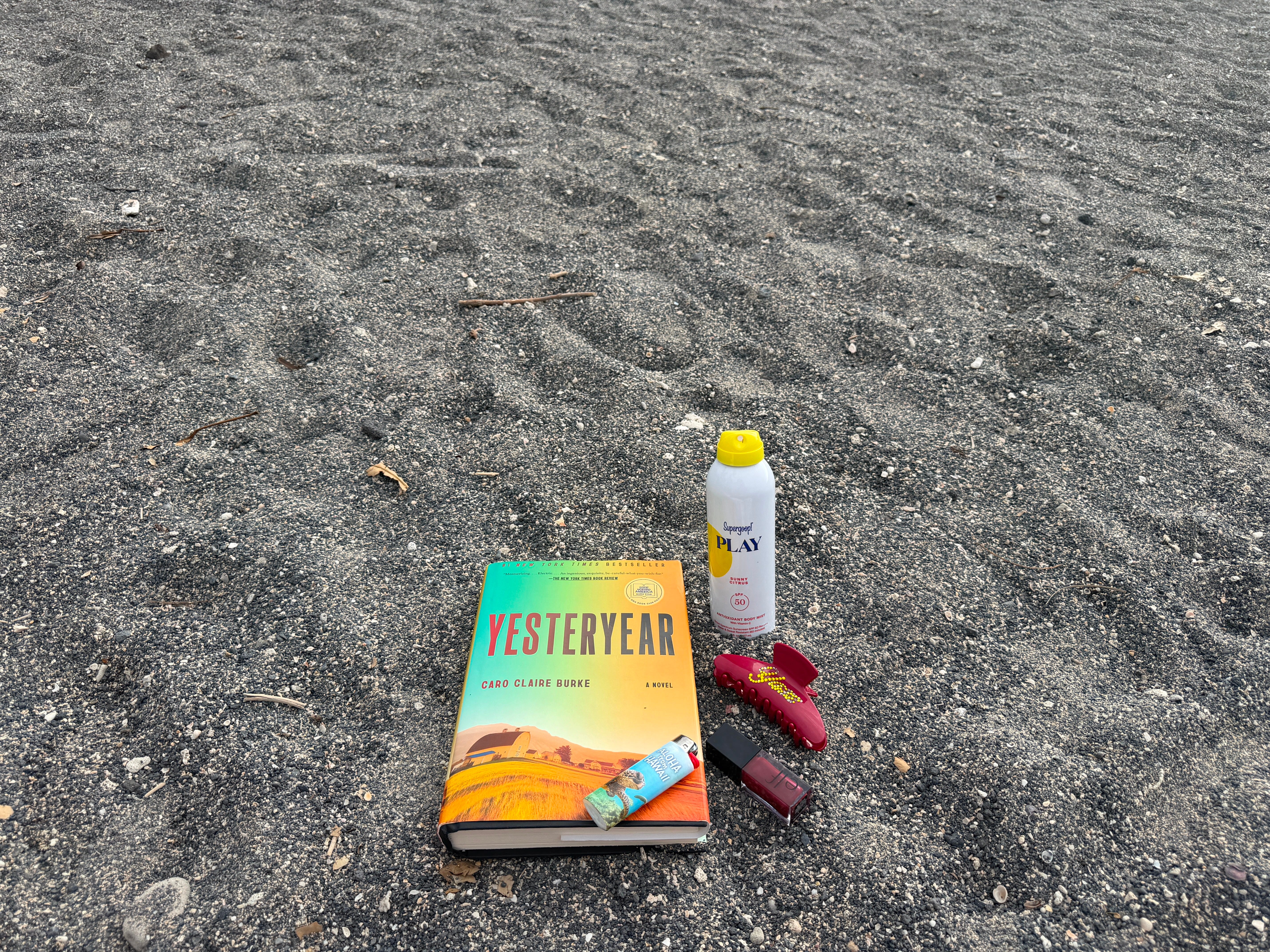
I’ve noticed this outside books too. Ashnelle Hall’s Substack post last week, “’I’m Just a Girl’ Is Not an Excuse to Turn Your Brain Off,” is about women online romanticizing the idea of switching off around their partners: letting someone else handle directions, decisions, the logistics of a life. Somewhere between cute and convenient, “turning your brain off” starts to look like handing someone else the keys, whether that someone is a partner, an algorithm, or a phone.
However, this doesn’t mean that always going it alone is the goal. There’s something to be said for letting someone else do things for you out of love or trust. And using my phone has made me more informed, connected, and worldly. What matters is whether you could do it yourself if you had to. Slower, maybe worse, but yours to figure out.
Which is why my dad and I have been walking every morning since I’ve come home. He’ll point at something — a bird, a boat, the shape of a leaf — and ask me to guess what it is or what it means before he tells me. I get it wrong more than half the time. Yet, I still guess, ask follow-up questions, and learn anyway.
Lips stay plump in the archipelago ❤️💜
“Turning your brain off” is well said, something ill be very cautious about in my next relationships